Interviews reveal how a candidate talks about childcare. Skills assessments reveal how they actually perform it. The gap between these two can be significant. A nanny who interviews beautifully but struggles with the practical demands of your household creates frustration for everyone. Conversely, a candidate who is more reserved in conversation but exceptionally competent in action may be exactly what your family needs.
This guide covers practical methods for assessing a nanny's hands-on skills at different stages of the hiring process, from structured interview scenarios to paid trial sessions. It is designed to complement the conversation-based evaluation covered in our interview questions guide and fits within the broader framework of our complete hiring guide.
The best skills assessment happens in your home, with your children, during a paid trial session of 3 to 4 hours. Observation in the actual working environment reveals competencies that no interview question can test.
Assessment Method 1: Scenario-Based Interview Questions
Before any hands-on evaluation, scenario questions during the interview test practical knowledge and decision-making instincts.
For Infant Care Positions
- "Walk me through how you prepare a bottle and what temperature you aim for."
- "My baby has been crying for 20 minutes and nothing seems to work. What is your progression of strategies?"
- "Describe your safe sleep practices for an infant under 12 months."
- "How do you track feedings, diaper changes, and sleep during the day?"
For Toddler Care Positions
- "Plan three age-appropriate activities for a rainy morning indoors with a 2-year-old."
- "My toddler is in a phase of throwing food at every meal. How do you handle it?"
- "We are working on potty training. What approach do you typically use?"
For School-Age Care Positions
- "How do you manage the after-school transition: homework, activities, free time?"
- "My child says they are being bullied at school. What is your immediate response?"
- "How do you handle screen time boundaries with a child who argues about limits?"
Strong candidates provide specific, step-by-step answers that demonstrate they have actually done these things, not just read about them. Listen for practical details that only come from experience.
Assessment Method 2: Observed Interaction
During the in-person interview, arrange for the candidate to spend 15 to 20 minutes with your children while you observe. Nothing about it needs to feel like a test. You are watching how she behaves with your children when no one is scripting the interaction.
What to Watch For
- Engagement level: Does the candidate initiate interaction or wait for direction? Do they get down to the child's physical level?
- Responsiveness: How quickly do they pick up on the child's cues, mood, and interests?
- Safety awareness: Do they instinctively position themselves between the child and potential hazards? Do they scan the environment?
- Adaptability: If the child is shy or uncooperative, does the candidate adjust their approach or press forward with their plan?
- Language and communication: Do they narrate activities, ask open-ended questions, and engage the child in conversation appropriate to their developmental stage?
See what a coordinated search looks like. The research is the easy part. In two minutes, watch how a Beverly coordinator runs the rest — agencies, screening, and contracts — so you don't have to.
Watch: Meet Beverly · 2 min →Assessment Method 3: Paid Trial Session
A paid trial session of 3 to 4 hours is the most informative assessment tool available. It places the candidate in your actual working environment with your children and lets you observe real performance under realistic conditions.
How to Structure a Trial Session
- First 30 minutes: Orient the candidate to your home, show them supplies, and walk through the plan for the session
- Next 60-90 minutes: The candidate takes the lead while you are present but in the background (working in another room, available but not hovering)
- Mealtime or snack: Include a feeding to assess food preparation, nutrition awareness, and mealtime management
- Activity planning: Ask the candidate to plan and execute one age-appropriate activity
- Final 30 minutes: Debrief with the candidate. Ask what they observed about your child and what they would adjust.
Compensation for Trial Sessions
Always pay candidates at their requested hourly rate for trial time. This is both ethically correct and legally prudent, since they are performing work for you. For a full-time nanny earning $30 per hour, a 4-hour trial costs $120. This is a negligible investment compared to the cost of a bad hire.
For a more extended evaluation, a formal trial period of two to four weeks provides the most comprehensive assessment possible.
Age-Specific Competency Benchmarks
| Skill Area | Infant (0-12 mo) | Toddler (1-3 yr) | Preschool (3-5 yr) |
|---|---|---|---|
| Safety | Safe sleep, choking prevention, car seat use | Childproofing awareness, water safety, fall prevention | Stranger awareness, street safety, playground supervision |
| Feeding | Bottle preparation, introduction to solids, allergy awareness | Balanced meals, managing picky eating, self-feeding encouragement | Involving child in food prep, nutrition education, allergy management |
| Development | Tummy time, sensory activities, language exposure | Language development, motor skills activities, social play | Pre-literacy activities, creative play, social-emotional guidance |
| Routine | Sleep schedule management, feeding rhythm | Nap transitions, potty training support, structure with flexibility | School readiness, homework habits, independent play |
Assessing Emergency Preparedness
During your assessment, verify that the candidate can demonstrate:
- CPR knowledge: Ask them to verbally walk through infant or child CPR. Confirm their certification is current.
- Choking response: Can they describe the difference between infant and child choking protocols?
- Allergic reaction management: If your child has allergies, can they demonstrate EpiPen use or describe the steps?
- Emergency communication: Do they know to call 911 first, then the parents? Can they clearly state your address?
Verify that any claimed certifications are current by requesting copies and checking with the issuing organization. Expired CPR certification is surprisingly common and is a legitimate concern.
FAQ
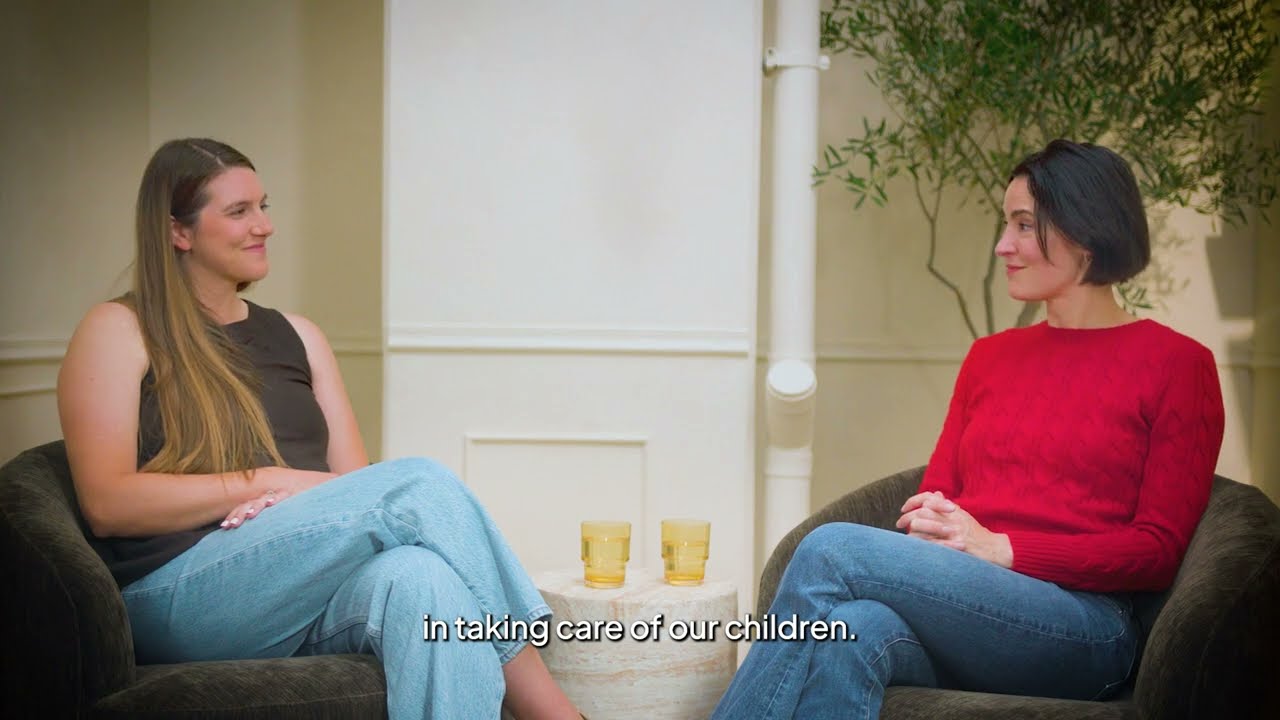
See how Beverly actually works
Your family's hiring coordinator — one point of contact working top agencies, au pair programs, and your personal network, all at once.
Captions on — no sound needed.Even though we work to keep the information, stats, and details in this article accurate and up to date, please do your own financial and legal due diligence before acting on anything you read here, and reach out directly to the private companies and government agencies referenced for the most current details.