
San Diego has one of the country's most mature au pair host communities, and the reasons are specific: Navy and Marine schedules that require flexibility no 9-to-5 nanny can match, a biotech and medical corridor in La Jolla and Torrey Pines that runs on rotations, and a beach-and-outdoor lifestyle that fits young international caregivers. For a coastal family in Del Mar, Solana Beach, Carlsbad, or Encinitas with two or three active kids, an au pair at $27,000-$30,000 all-in replaces a $65,000-$95,000 loaded nanny bill and adds something professional nannies rarely provide — live-in availability for the 6am surf drop-offs and the 7pm base-return pickups that define a lot of San Diego parent schedules.
This guide breaks down what San Diego host families actually pay in 2026, how the federal J-1 rules work (and how California wage law does not apply to au pairs), what the local realities mean for your match, and how Beverly coordinates with the 12 designated sponsor agencies on your behalf.
- All-in annual cost: $27,000-$30,000
- Federal minimum stipend: $195.75/week (standard) or $146.81/week (EduCare)
- Typical San Diego stipend paid: $220-$260/week
- Max hours: 45/week standard, 30/week EduCare, 10 hrs/day cap
- Time off: 1.5 days/week + 1 full weekend/month + 2 weeks paid vacation/year
- Family provides: Private bedroom, meals, car with insurance, $500+ education allowance
- vs. San Diego nanny: 30-50% less than a $60K-$90K full-time nanny
- California wage law: Sponsors treat the federal stipend framework as controlling, but the question is legally unsettled — consult a California CPA
Beverly runs the search for you. One coordinator works every top agency in your city at once, on a fee agreed in advance — and Beverly is never paid by a caregiver.
See how Beverly works →What an Au Pair Actually Costs in San Diego in 2026
Au pair pricing is primarily federal — stipend floor, program fees, education allowance — but what San Diego host families actually pay runs above the federal minimum because the market is competitive and coastal candidates want to live here. Cultural Care and Au Pair in America both report San Diego as a top-demand city for matches, especially from Colombia, Mexico, Brazil, and South Africa.
| Line Item | Annual Cost | Notes |
|---|---|---|
| Weekly stipend ($220/wk x 52) | $11,440 | Federal minimum is $195.75/wk. San Diego families typically pay $220-$260/wk. |
| Sponsor agency program fee | $9,000-$12,500 | Paid to a State Department-designated J-1 sponsor. |
| Education allowance | $500 minimum | $1,000 for EduCare. Many San Diego families use UCSD Extension or MiraCosta for classes. |
| Room & board | Varies (sunk cost) | Private bedroom required. Food included in family grocery budget. |
| Car, gas, insurance | $2,500-$4,500 | Essential. Most families add au pair as named driver on existing policy. |
| Cell phone / incidentals | $400-$800 | Optional but common. |
| Airport pickup, welcome basket | $100-$300 | SAN airport. Small one-time expense. |
| Total All-In | $27,000-$30,000 | For up to 45 hours/week of live-in childcare. |
For the full national cost math, see our au pair cost guide and au pair stipend and weekly pay guide.
Au Pair vs Nanny in San Diego: Side-by-Side
A La Jolla biotech family or Coronado military household with two kids is weighing $65,000-$95,000 for a full-time nanny against $27,000-$30,000 for an au pair. Here's the honest breakdown:
| Factor | Au Pair in San Diego | Full-Time Nanny in San Diego |
|---|---|---|
| Hourly rate (effective) | ~$12-13/hr all-in | $22-$28/hr |
| Annual all-in cost | $27,000-$30,000 | $60,000-$90,000 + employer taxes |
| Max hours per week | 45 (standard) | Unlimited with overtime |
| Live-in | Yes (required) | Uncommon in coastal San Diego |
| California wage/overtime law | Sponsors treat federal J-1 rules as controlling; application of CA law is legally unsettled | Applies — overtime, paid sick leave (meal/rest breaks only for non-personal-attendant staff) |
| Employer taxes | None (FICA/FUTA exempt) | 7.65% FICA + CA SUI + FUTA |
| Best fit | Military, biotech, 2+ kids, irregular schedule | Infant-only, single-child, professional expertise needs |
For a deeper comparison, read au pair vs nanny. The California wage-law point is worth understanding — professional nannies in San Diego are covered by some of the strictest domestic worker protections in the country (AB 241/2013, paid sick leave, overtime at 1.5x after 9 hours/day or 45 hours/week), which can add meaningful complexity and cost. Au pairs are J-1 exchange visitors governed by federal regulation at 22 CFR § 62.31, and sponsors treat that framework as controlling — but whether California wage law also applies to au pairs is legally unsettled (a federal appeals court applied Massachusetts wage law to au pairs, and California lawsuits have raised similar arguments), so consult a California CPA rather than assuming a blanket exemption.
San Diego-Specific Realities: Coast, Schedule, and the Car Question
Car Required, and Coastal-Ready
San Diego's spread — La Jolla up to Del Mar, across to Rancho Santa Fe and Carmel Valley, Coronado, and North County to Encinitas and Carlsbad — means driving is essential. Every major J-1 sponsor requires a car for San Diego placements. The car should have:
- Insurance that covers the au pair (add as named driver on existing policy — California is a fault state with strict minimums)
- Automatic transmission preferred (confirm with your candidate)
- Surf rack or wagon-style cargo if your kids do ocean sports (nice-to-have, not required)
- Working AC (inland areas — Rancho Santa Fe, Poway — get hot; coastal stays mild)
- Insurance check for base access if you're a Coronado or Camp Pendleton military family — the au pair won't typically be on your DoD sponsor list, so plan pickups off-base
Home Setup
Federal J-1 rules require a private bedroom with a door, window, bed, storage, and reasonable privacy. Most San Diego coastal families have plenty of space:
- Accessory dwelling units (ADUs) are common in Del Mar, La Jolla, and Encinitas and make ideal au pair quarters. California's ADU laws have made these easier to build.
- Guest suite with private bath is typical in Rancho Santa Fe and Carmel Valley.
- Fast wi-fi — au pairs video-call home daily. Not an issue in most coastal zip codes.
Beach and Outdoor Lifestyle Fits Au Pairs Well
Au pairs trend 18-26, active, and culturally adventurous — San Diego's lifestyle is a strong draw. Your candidate pool for San Diego is often stronger than for inland metros because the city sells itself. This is a real advantage: families can be more selective.
California Wage Law Doesn't Apply — But Be Fair
Sponsors administer au pair placements under the federal J-1 framework rather than California's domestic worker law, though how far state law reaches au pairs remains legally unsettled. Either way, most successful San Diego host families voluntarily adopt fair-pay practices — a bit above federal stipend, clear schedule, respectful day-off enforcement — because it drives retention and positive LCC reports. The program is built on cultural exchange, not wage arbitrage.
Dependent Care FSA Works
Host families can use a Dependent Care FSA (up to $7,500/year) to pay stipend, program fee, and education allowance pre-tax. California high-income families at 9.3%+ marginal state rates get meaningful benefit here. For the full tax picture, see our au pair taxes for host families guide.
See what a coordinated search looks like. The research is the easy part. In two minutes, watch how a Beverly coordinator runs the rest — agencies, screening, and contracts — so you don't have to.
Watch: Meet Beverly · 2 min →How Beverly Helps San Diego Host Families
Beverly isn't a J-1 sponsor — only 12 State Department-designated agencies can legally sponsor au pairs. What we do is sit on the host family's side and coordinate everything outside the sponsor's scope. For San Diego families, that typically looks like:
- Sponsor selection. Comparing Cultural Care, AuPairCare, Au Pair in America, Go Au Pair, and InterExchange against your timeline, country preferences, and budget. We know the differences — which sponsor has strong Colombian candidates, which handles military family quirks best, which has the smoothest rematch process.
- Profile prep. Writing a host family profile that actually gets strong candidates to apply. San Diego sells itself, but still — good profile writing matters.
- Interview calibration. We sit in on candidate video calls, help draft questions, and flag mismatches before they cost you three months of a broken match.
- Onboarding. SAN airport pickup, California driver's license exchange at DMV (Clairemont, Poway, or Carlsbad locations), UCSD Extension or MiraCosta registration for education requirement, and introductions to the San Diego au pair community (there's a strong network in La Jolla and North County).
- Rematch support. If the match breaks, we coordinate with your sponsor's LCC to handle rematch without turning you into a part-time HR manager.
We're your chief-of-staff for childcare — we work with the sponsor agency on your behalf, we don't replace them.
Top J-1 Sponsor Agencies for San Diego Families
All 12 designated sponsors can place in San Diego. These five are most active in Southern California:
- Cultural Care Au Pair — Largest U.S. sponsor by volume. Deep candidate pool from 50+ countries. Strong LCC network in La Jolla, Del Mar, and North County.
- AuPairCare — High-touch matching, good for first-time host families.
- Au Pair in America — Oldest U.S. program (1986). Strong academic-leaning match style.
- Go Au Pair — Often the lowest program fees. Good for self-directed families.
- InterExchange — Non-profit. Strong European candidate pool, particularly German and Austrian.
The other seven designated sponsors — GreatAuPair LLC, EurAuPair, Agent Au Pair, Au Pair International, APEX American Professional Exchange, ExpertAuPair, and ProAupair — may also fit. For a deeper comparison, see our best au pair agencies guide.
San Diego Host Family Requirements
Federal requirements: U.S. citizen or permanent resident, child under 18 (or pregnant), private bedroom, three meals a day, $500+ education allowance, complete 32 hours of sponsor orientation. San Diego-specific practical notes:
- One English-fluent parent — required for day-to-day household communication.
- Flexible schedule handling — military and biotech families often have unpredictable rotations. Be honest in your profile; au pairs who opt in know what they're signing up for.
- Match with school year — most San Diego Unified and Del Mar Union schools start mid-August. Plan for au pair arrival late July.
- Second-year extension — common. The 2-year home residency rule may apply after the program ends, depending on the au pair's home country.
Full checklist: au pair host family requirements.
J-1 Visa Logistics
Your au pair handles most visa paperwork through the sponsor, but a few costs to know:
- DS-2019 form — issued by sponsor after match
- DS-160 fee — $185, paid by au pair
- SEVIS I-901 fee — $35, paid by au pair (sometimes reimbursed by host family)
- Visa Integrity Fee — $250 as of 2026
- Travel & placement — typically inside the $9,000-$12,500 program fee
Au pairs enter on a 12-month J-1 with a one-time extension option of 6, 9, or 12 months. A 2-year home residency rule may apply after the program, depending on the au pair's home country (the DS-2019 and visa stamp indicate it) — worth discussing upfront with your candidate. For the full visa walkthrough, see our au pair J-1 visa guide.
Frequently Asked Questions
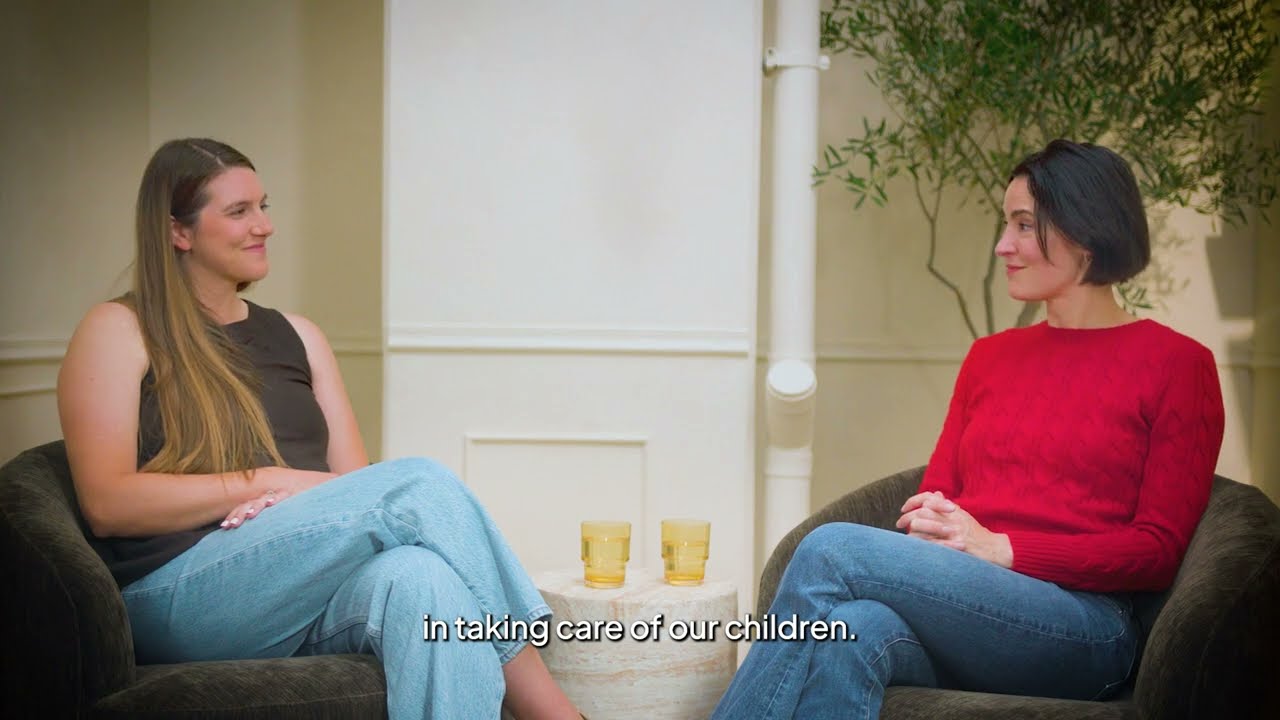
See how Beverly actually works
Your family's hiring coordinator — one point of contact working top agencies, au pair programs, and your personal network, all at once.
Captions on — no sound needed.Even though we work to keep the information, stats, and details in this article accurate and up to date, please do your own financial and legal due diligence before acting on anything you read here, and reach out directly to the private companies and government agencies referenced for the most current details.